Guest Speaker: Andrew Lindsay Judge: Angela Bowne SC (barrister and mediator with a special interest in intellectual property, arts, entertainment, publishing, journalism, science and technology law and alternative…

Guest Speaker: Andrew Lindsay Judge: Angela Bowne SC (barrister and mediator with a special interest in intellectual property, arts, entertainment, publishing, journalism, science and technology law and alternative…
Only a few weeks left! Don’t wait until it’s too late to submit your latest book! You might miss out on some well-deserved accolades! It doesn’t matter if your book…
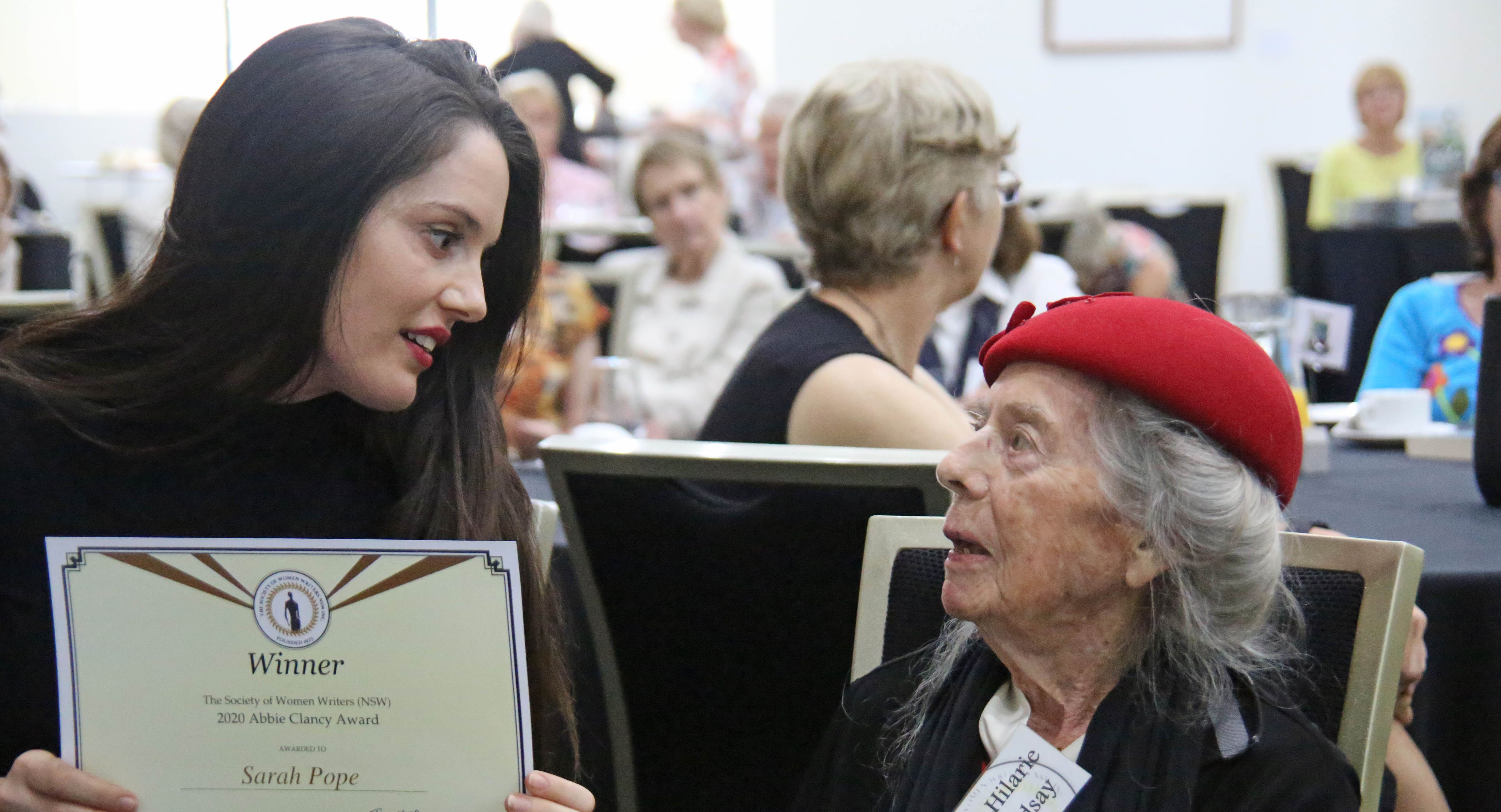
This Award is named after Abigail Mary Clancy (1898-1984), one of the founders of the Society of Women Writers and a prominent early 20th century journalist. The Abbie Clancy Foundation…
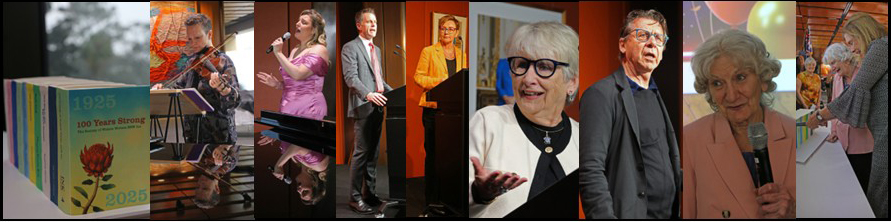
Our Society is officially 100 years strong. In 1925, a group of women writers and journalists met to form The Society of Women Writers NSW. Over the ensuing decades,…
We still have a few copies of our Centenary Anthology. Don’t miss out on having one of these special collections of our members’ works and of course being able to…
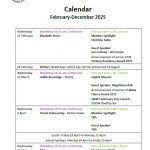
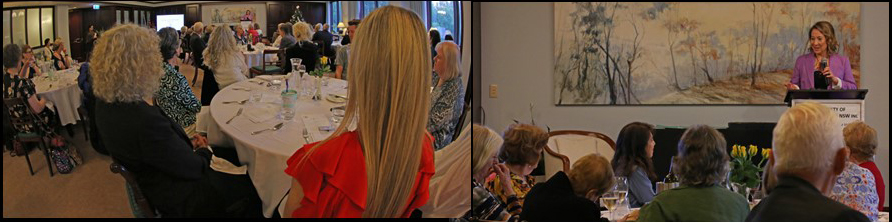
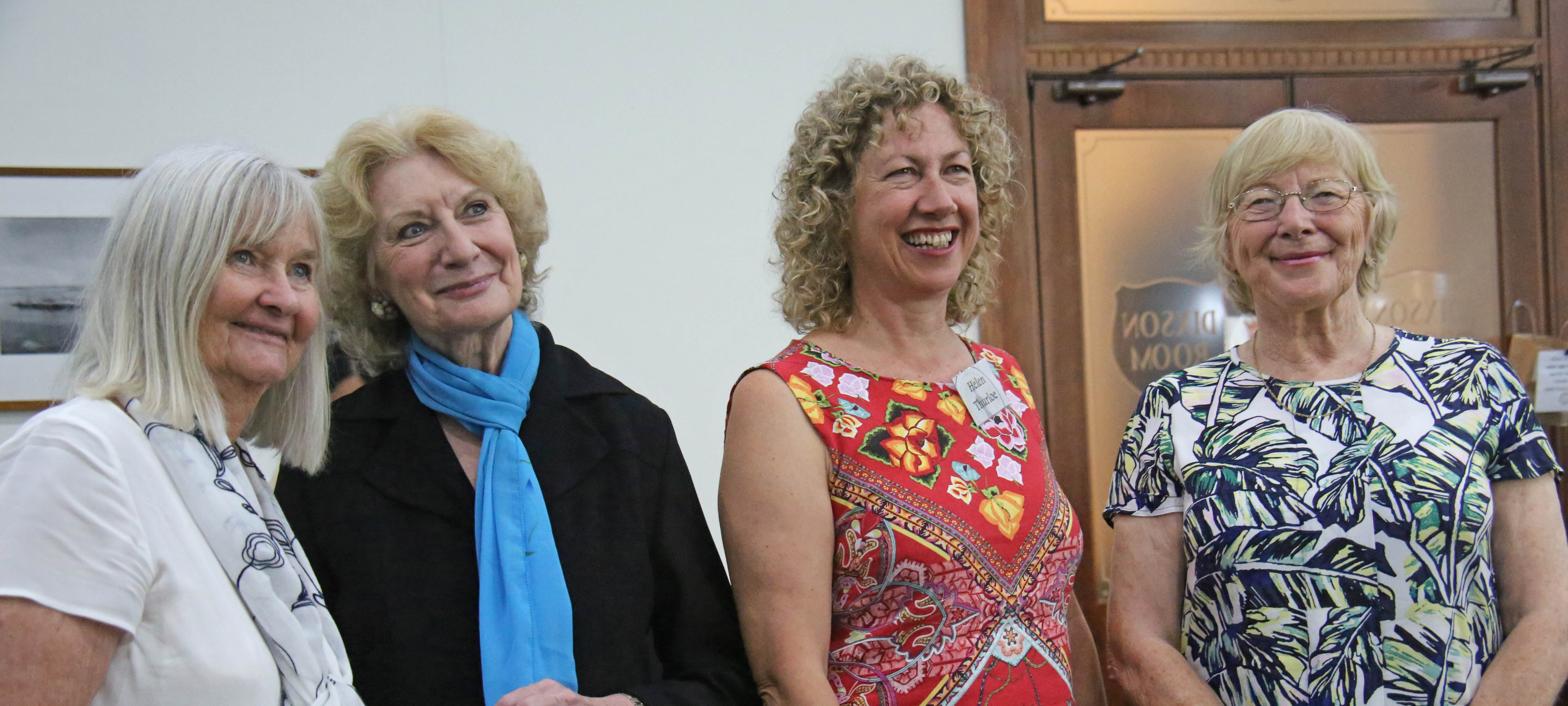
On the second Wednesday of each month (except January), The Society holds a Workshop in the morning and a Literary Event in the afternoon, in the Dixson Room or Michael…
For information about upcoming events, new releases, competitions and more, subscribe to our monthly newsletter!
Membership
Membership to the Society automatically includes subscription to our magazine Women’s Ink!, e-News and publicity within the SWW network.
Visit our Membership page for more details, membership applications and renewals.
More here