
The Sixth International Tanka Festival
Tokyo October 10-12, 2009
by Beatrice Yell

Cultural Exchange Calligraphy and Tea Ceremony
It was an immense privilege to attend the 6th International Tanka Festival. The event was organised by the President, Akiba Shiro, and the committee of the Japan Tanka Poets’ Society (Nihon Kajin Club) and convened by Yuhki Aya, editor of the Society’s bilingual ‘Tanka Journal’. Three of us represented Australia; Amelia Fielden, judge and translator of Japanese Short Poetry, Beverley George, editor of Eucalypt and former editor of Yellow Moon, also convenor of the highly successful international Haiku Pacific Rim Conference held in Terrigal this month, and myself, all members of the SWW.
The day before the Festival, visitors registered at a city hotel and were invited to partake in a traditional tea ceremony. There was also an ongoing calligraphy lesson which was excellent as both these activities tie in with poetry. But the highlight was to see the prize-winning poems by delegates on separate wall hangings – each poem was written in English and Japanese calligraphy.
The winning poems were selected from 490 tanka in English entered in the world-wide competition, in addition to 470 in Japanese. Beverley George came second, awarded the Certificate of Merit by the President of the Japan Times. I was overwhelmed to see mine in seventh place with the Certificate of Merit by Nagaramishobo Corp. and speak with one of the judges about it. Other placegetters from Australia were Carolyn Alfonzetti, Ellen Weston, Margaret L.Grace, Jan Dean, Julie Thorndyke, Barbara A.Taylor and Kathy Kituai.
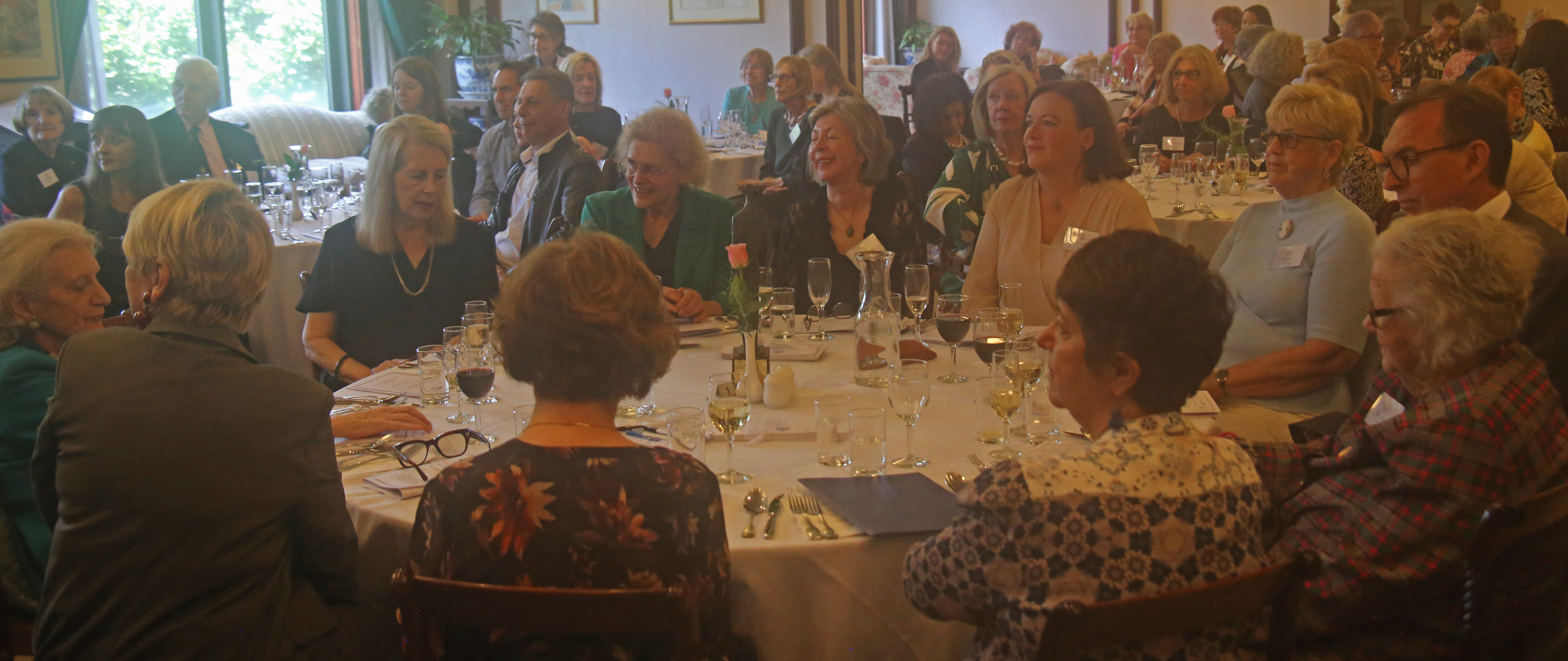
For the presentation of papers about two hundred people from all over the world filled the festival hall in the extensive woods of the Meiji Memorial Shrine. After a welcome address there were many speeches and readings in both Japanese and English from locals and visitors. Beverley George presented an invited paper titled ‘Tanka in Australia’.
I was surprised by many people, often strangers, who pressed small books of their poetry into my hands. These will give me joy for a long time. A highlight was a bi-lingual reading by Amelia Fielden and Mariko Kitakubo, accompanied by a musician with three traditional hamohn drums. Then prize-winners read out their poems. Beverley and I were introduced to an 82 year-old woman who has been writing tanka for fifty years, by her proud ‘No 2 son’. A banquet of delicacies and live entertainment finished the proceedings with a party atmosphere.
Next day there was an early start for the day trip to Nikko, nearly three hours away by coach. We drove out of the city and through the countryside, with vegetable gardens and rice paddies being harvested. Nikko Togoshu Shrine is a magnificent Buddhist complex high up in the lush green mountains north-west of Tokyo, and as it was a public holiday, we were just a few amongst several thousand visitors that day.
Close by is the Imperial Villa, once the alternate home of the Japanese royal family. It was here that the present emperor lived during WWII. It is a traditional house of clean lines, with tatami mats and sliding doors, built around several courtyards. After a bento box lunch in the Villa away from the crowds there was some impromptu tanka writing. These were read in English and read or sung in Japanese, like the original waka/tanka. We were able to tour the restored building and gardens where the Japanese maples were showing the first of the autumn colours, as the weather was still quite warm. One poet collected three fallen red leaves and when I admired them, presented them to me. We returned to night-time Tokyo for a meal. Then we farewelled many new friends, whose kindness and thoughtfulness and attention to every detail made the festival a truly memorable experience. Sayonara, Japan.

Hiroshi Furigohri, Beatrice Yell and Ruri Hazama

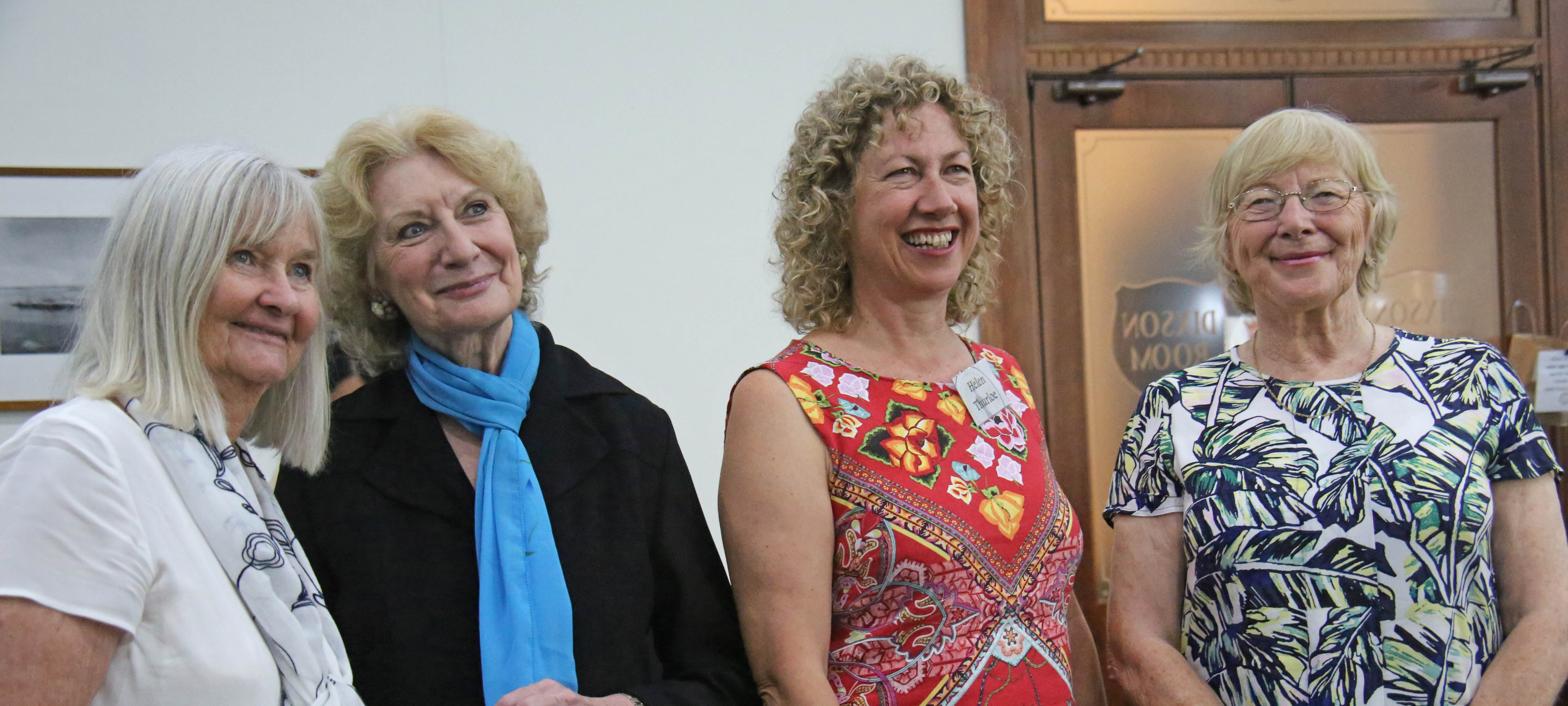
Beverley George, President Shiro Akiba, Editor Aya Yuhki, Beatrice Yell

Recent Comments